Ashwagandha: The 3,000-Year-Old Secret to Calm Energy and Hormonal Balance
Used in Ayurvedic medicine for over 3,000 years, ashwagandha is one of the most powerful adaptogenic herbs for women's health. Learn its ancient history, how it supports cortisol balance, thyroid health, and energy — and how to use it safely.
Ashwagandha: The 3,000-Year-Old Secret to Calm Energy and Hormonal Balance
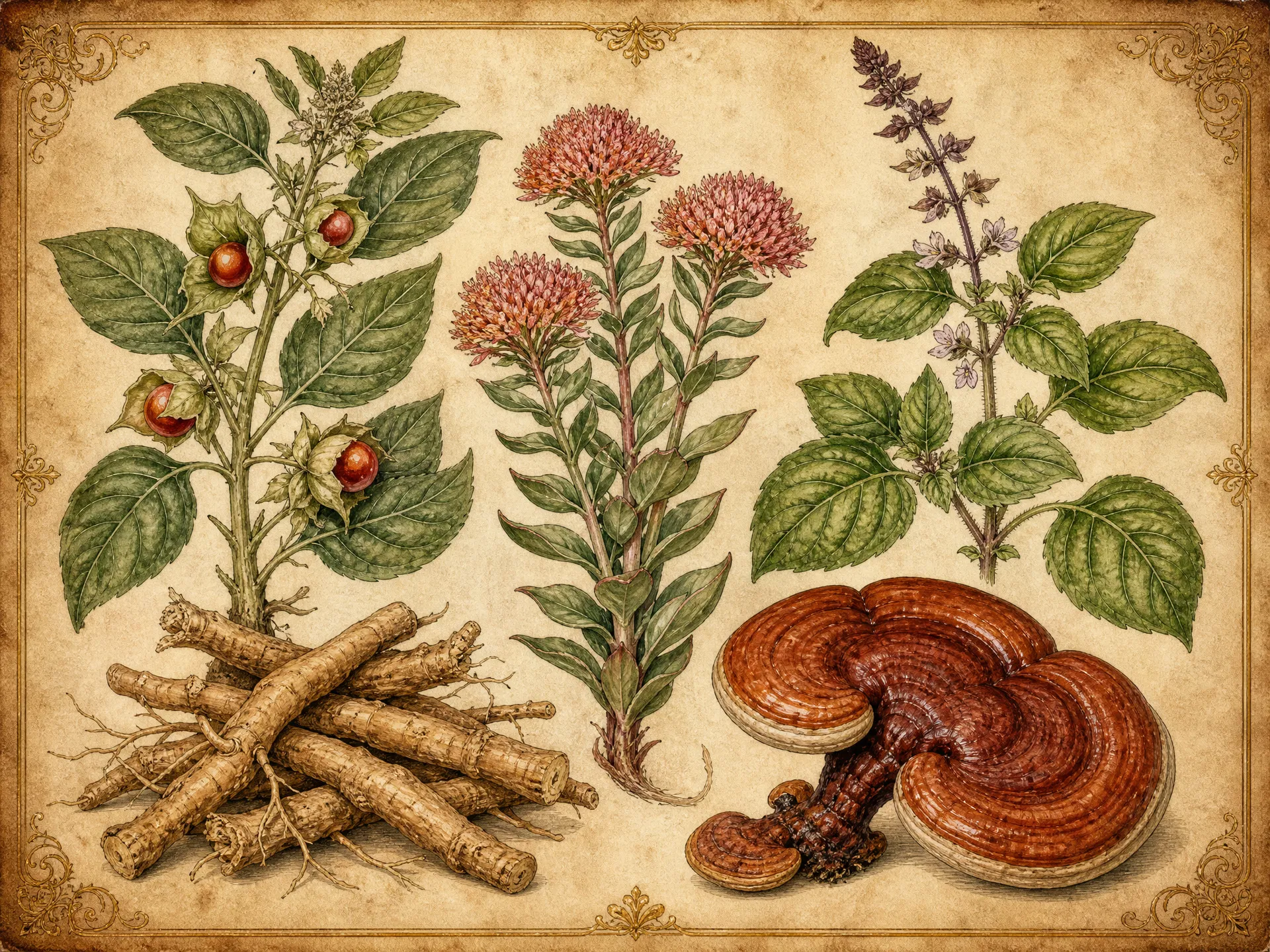
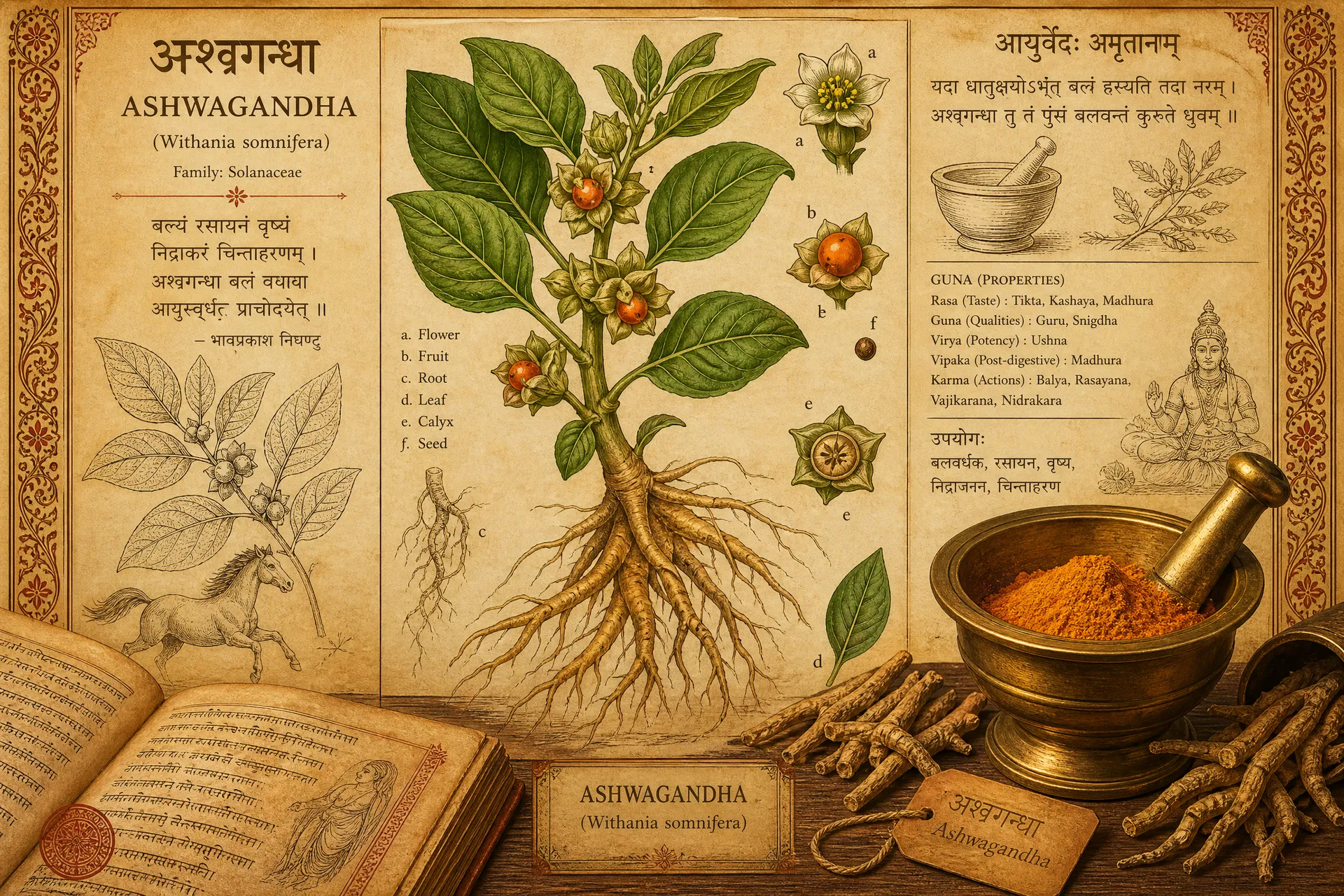
In the ancient healing tradition of Ayurveda, there exists a small, unassuming shrub with roots that smell faintly of horse — and that is precisely where its name comes from. "Ashwagandha" translates from Sanskrit as "smell of horse," a reference not just to its aroma but to the strength and vitality it was believed to impart. For over 3,000 years, this remarkable plant — Withania somnifera — has been one of the most prized herbs in the Ayurvedic pharmacopeia, and modern science is now confirming what ancient healers knew intuitively.
Ancient Roots: Ashwagandha Through the Ages
Ashwagandha's use dates back to approximately 6000 BCE in ancient India, where it was classified as a "Rasayana" — a rejuvenating tonic meant to promote longevity, vitality, and overall well-being. The Charaka Samhita, one of the foundational texts of Ayurvedic medicine written around 600 BCE, describes ashwagandha as a powerful herb for building strength, improving memory, and supporting reproductive health.
Ancient Ayurvedic physicians prescribed it for a remarkable range of conditions: fatigue, anxiety, arthritis, insomnia, and as a general tonic for the elderly and those recovering from illness. It was often prepared as a milk decoction — ashwagandha powder simmered in warm milk with honey and spices — a preparation still used today and known as "ashwagandha latte" or "moon milk" in modern wellness circles.
The Science of Adaptogens: How Ashwagandha Works
Ashwagandha belongs to a special class of herbs called adaptogens — plants that help the body "adapt" to stress by modulating the stress response system. The primary active compounds in ashwagandha are withanolides, a group of steroidal lactones that have been extensively studied for their effects on the HPA (hypothalamic-pituitary-adrenal) axis — the system that governs your stress response.
When you're chronically stressed, your HPA axis becomes dysregulated, leading to elevated cortisol levels, disrupted sleep, hormonal imbalances, and eventual burnout. Ashwagandha helps to normalize this response, reducing cortisol levels without causing sedation.
Ashwagandha for Women's Health
For women, particularly those navigating the hormonal shifts of perimenopause and menopause, ashwagandha offers several specific benefits:
- Cortisol Regulation: Multiple clinical studies have shown that ashwagandha supplementation significantly reduces cortisol levels, helping to break the cycle of stress-induced hormonal disruption.
- Thyroid Support: Research suggests ashwagandha may support healthy thyroid function by stimulating thyroid hormone production — particularly beneficial for women with subclinical hypothyroidism.
- Energy Without Jitters: Unlike caffeine, which provides a sharp energy spike followed by a crash, ashwagandha provides a calm, sustained energy by improving mitochondrial function and reducing the fatigue associated with chronic stress.
- Sleep Quality: The "somnifera" in its Latin name means "sleep-inducing." Ashwagandha has been shown to improve sleep quality, reduce the time it takes to fall asleep, and increase total sleep time.
- Mood and Anxiety: Several studies have demonstrated significant reductions in anxiety and depression scores with regular ashwagandha use, comparable in some cases to pharmaceutical interventions but without the side effects.
How to Use Ashwagandha Safely
The most common and well-studied form is KSM-66 or Sensoril ashwagandha extract, standardized to contain a specific percentage of withanolides. Typical doses range from 300–600mg daily. It can be taken as a capsule, added to smoothies, or prepared as the traditional warm milk tonic.
Important cautions: Ashwagandha is generally very safe for most people, but it should be avoided during pregnancy. Those with autoimmune conditions, thyroid disorders, or who are taking thyroid medications should consult with a qualified healthcare provider before use. As with all herbs, quality matters enormously — choose a reputable brand with third-party testing.
As a certified herbal counselor, I find ashwagandha to be one of the most valuable herbs in my toolkit for supporting women through the challenges of modern life. Its 3,000-year track record, combined with robust modern research, makes it a truly remarkable gift from the plant kingdom.
#TreeOfLifeWellnessCoach #DonnaMurrayReady to walk this out with support?
Book a free discovery call and let's talk about what your body has been trying to tell you.
Book a discovery call