
The Gut-Brain Connection: Why Your Gut Is Your Second Brain
Your gut contains over 100 million nerve cells and produces 95% of your body's serotonin. Understanding the gut-brain axis could change how you think about mood, anxiety, and mental clarity.
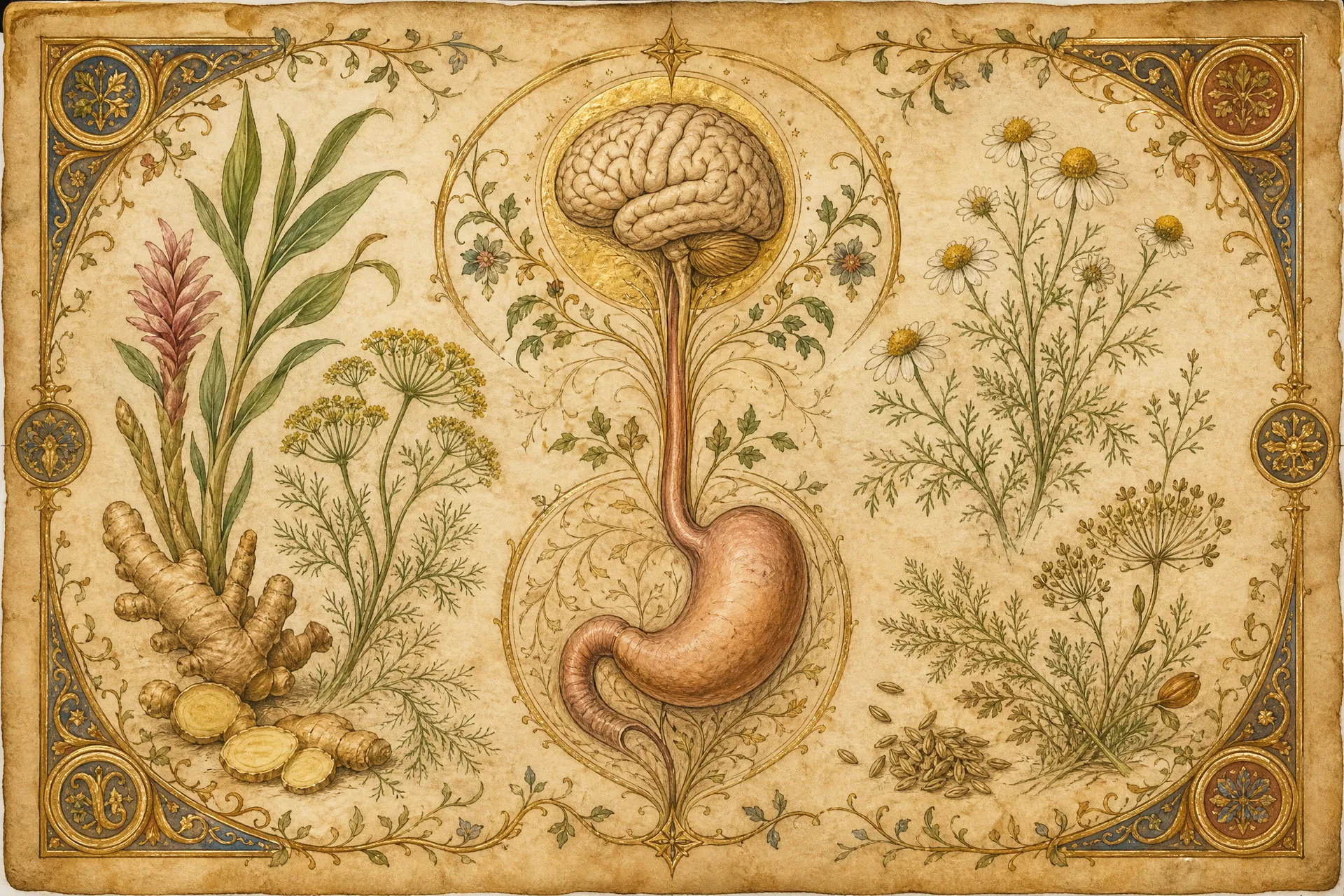
The idea that the gut and brain are connected is not new — folk wisdom has long recognized the relationship between digestive health and emotional wellbeing. "Gut feelings," "butterflies in the stomach," and "gut-wrenching" experiences are all linguistic acknowledgments of this connection.
The Enteric Nervous System
Your gut contains what scientists call the enteric nervous system — a network of over 100 million nerve cells lining the gastrointestinal tract. This system is so complex and so capable of independent function that researchers have nicknamed it "the second brain."
Serotonin and the Gut
Approximately 95% of the body's serotonin — the neurotransmitter most associated with mood regulation — is produced in the gut, not the brain. This means that the health of your gut microbiome directly influences your emotional state, your stress response, and your mental clarity.
What This Means Practically
Eating a diverse range of plant foods feeds a diverse microbiome. Fermented foods — yogurt, kefir, sauerkraut, kimchi — introduce beneficial bacteria. And managing stress is as important for gut health as any dietary change — the gut-brain connection runs in both directions.
Ready to walk this out with support?
Book a free discovery call and let's talk about what your body has been trying to tell you.
Book a discovery call