Anti-Inflammatory Eating: The Basics Every Woman Should Know
Chronic inflammation is at the root of most modern diseases — from heart disease to autoimmune conditions to depression. Here's what it is, what causes it, and what to eat to address it.
Inflammation is not inherently bad. Acute inflammation — the redness and swelling that occurs when you cut your finger or fight off an infection — is a vital part of your immune response. The problem is chronic, low-grade inflammation that persists for months or years, silently damaging tissues and contributing to disease.
Foods That Drive Inflammation
Ultra-processed foods, refined carbohydrates, industrial seed oils, added sugars, and excessive alcohol are among the most inflammatory components of the modern diet.
Foods That Reduce Inflammation
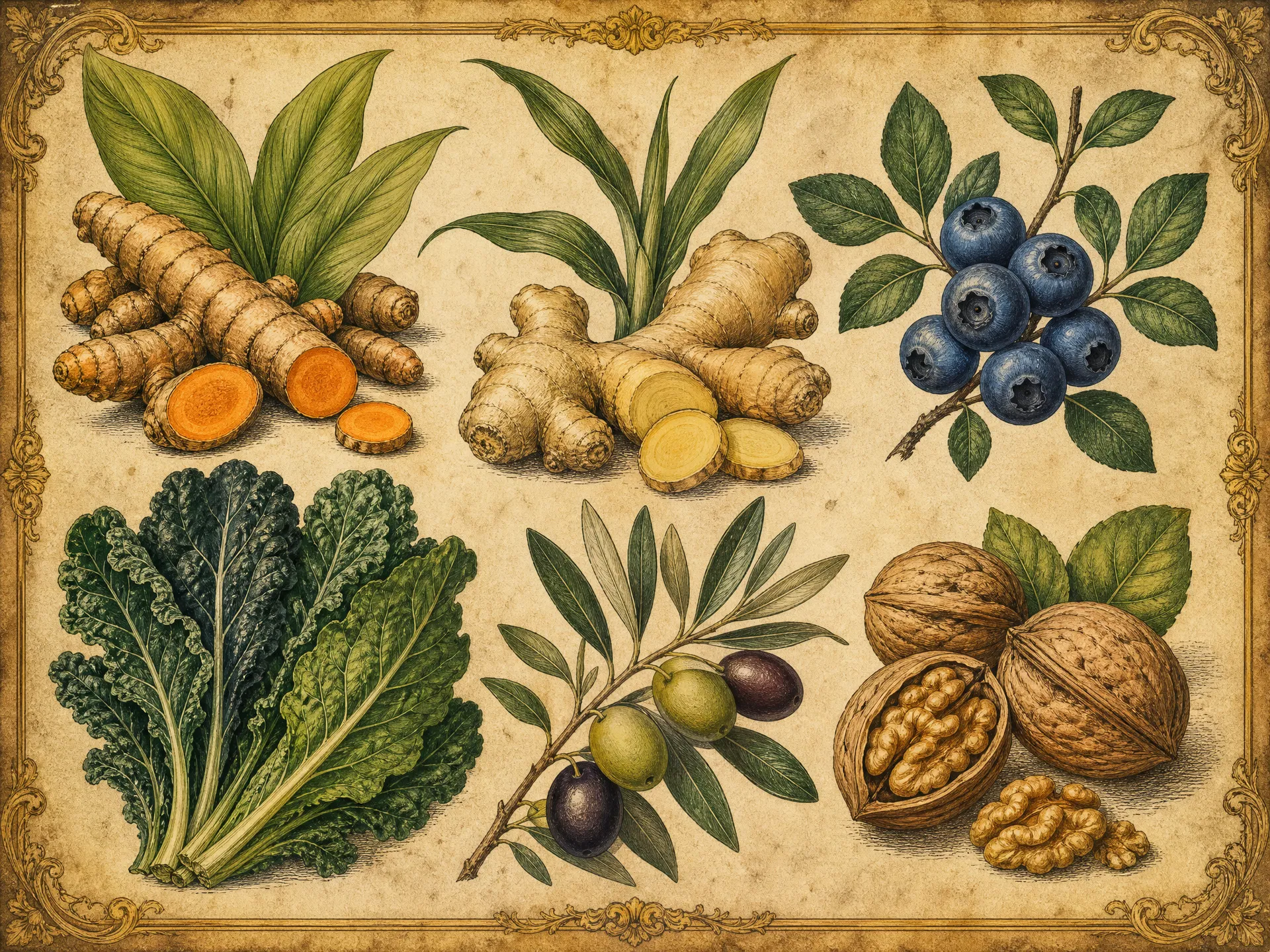
Colorful vegetables and fruits (especially berries, leafy greens, and cruciferous vegetables), fatty fish rich in omega-3s, olive oil, nuts and seeds, turmeric, ginger, and green tea are among the most well-researched anti-inflammatory foods.
The Mediterranean Pattern
The Mediterranean diet — rich in vegetables, legumes, whole grains, olive oil, fish, and moderate amounts of red wine — consistently ranks as one of the most anti-inflammatory dietary patterns in research. It is not a restrictive diet; it is a way of eating that has sustained entire populations for millennia.
Ready to walk this out with support?
Book a free discovery call and let's talk about what your body has been trying to tell you.
Book a discovery call