The Healing Power of Gratitude: How a Simple Daily Practice Can Transform Your Health
Science and Scripture agree: gratitude isn't just a feel-good habit — it's a biological force that lowers cortisol, improves sleep, and rewires your brain for resilience. Here's how to make it a real daily practice.

My dear friend, I want to talk to you today about one of the most underrated healing tools available to every one of us — and it doesn't cost a thing. It doesn't require a prescription, a gym membership, or a complicated protocol. It's gratitude. And before you roll your eyes and think, I already know about gratitude journals, I want to invite you to go deeper with me today, because what researchers and ancient wisdom traditions have discovered about this practice goes far beyond writing down three things you're thankful for.
What Gratitude Actually Does to Your Body
When we experience genuine gratitude — not just going through the motions, but truly feeling thankful — our brains release a cascade of neurochemicals including dopamine, serotonin, and oxytocin. These are the same chemicals targeted by many antidepressant medications. But unlike medication, gratitude also simultaneously lowers cortisol (your primary stress hormone) by up to 23%, according to research from the HeartMath Institute.
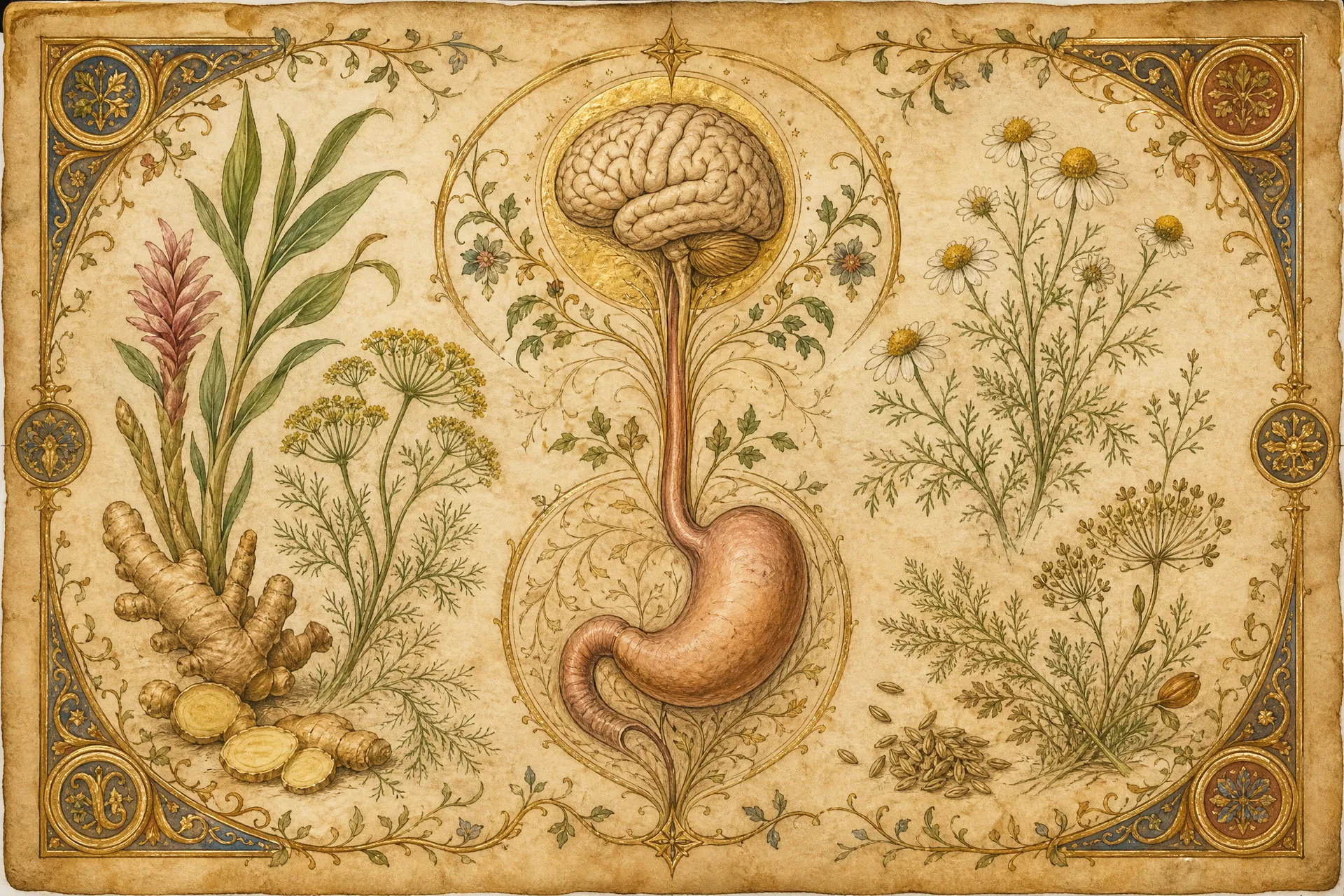
The vagus nerve — the long, wandering nerve that connects your brain to your heart, lungs, and gut — is directly activated by feelings of gratitude and appreciation. When the vagus nerve is well-toned and active, it promotes what scientists call "vagal tone," which is associated with better heart rate variability, lower inflammation, improved digestion, and greater emotional resilience. In other words, gratitude literally tones your nervous system the way exercise tones your muscles.
A landmark study published in Psychosomatic Medicine found that people who kept gratitude journals for just eight weeks showed measurable reductions in inflammatory biomarkers, lower blood pressure, and better sleep quality compared to control groups. Another study from UC Davis found that grateful people exercise more, report fewer physical complaints, and feel better about their lives overall.
The Spiritual Dimension
Long before science confirmed what gratitude does to the body, spiritual traditions across the world recognized it as foundational to human flourishing. In the Christian tradition, the Apostle Paul wrote, "Give thanks in all circumstances; for this is God's will for you in Christ Jesus" (1 Thessalonians 5:18). Notice he didn't say for all circumstances — he said in all circumstances. There's a profound difference. We're not asked to be grateful that hard things happen; we're invited to find gratitude even within them.
This reframe is not toxic positivity. It's a spiritual discipline that trains us to look for the presence of grace even in difficulty — and in doing so, it keeps our hearts soft and our spirits resilient rather than bitter and contracted.
Why Most Gratitude Practices Don't Work
Here's the honest truth: writing a list of three things you're grateful for every morning is a wonderful start, but for many women it quickly becomes rote. You write "my health, my family, my home" and move on. The brain habituates to repeated stimuli, which means the same list stops generating the neurochemical response that makes gratitude so powerful.
The key to a transformative gratitude practice is specificity and novelty. Instead of "I'm grateful for my family," try: "I'm grateful for the way my daughter laughed at breakfast this morning — that specific sound, that moment of pure joy." Instead of "I'm grateful for my health," try: "I'm grateful that my legs carried me up the stairs today without pain." The more specific and present-moment the gratitude, the more powerfully it activates the brain's reward circuitry.
Building a Practice That Actually Sticks
Here is the gratitude practice I recommend to my clients, built on both neuroscience and spiritual wisdom:
Morning (3–5 minutes): Before you pick up your phone, sit quietly and bring to mind one specific thing from yesterday that you're genuinely grateful for. Let yourself feel it in your body — not just think it. Notice where you feel warmth, softness, or expansion. Write it down in a dedicated gratitude journal with as much sensory detail as you can.
Evening (2–3 minutes): Before sleep, ask yourself: "What was one moment today when I felt held, loved, or provided for?" This could be as small as a warm cup of tea, a kind word from a stranger, or a moment of quiet beauty. Let it be your last conscious thought before sleep.
The Gratitude Letter: Once a month, write a letter of gratitude to someone who has positively impacted your life — a teacher, a friend, a parent, a mentor. You don't have to send it (though if you do, research shows it creates a profound connection for both parties). The act of writing it alone is deeply healing.
Gratitude in Difficulty: When you're in a hard season, try asking: "What is this teaching me? What strength is this building in me? What would I not have if I hadn't walked through this?" This is not about minimizing your pain. It's about refusing to let difficulty have the last word.
A Personal Note
I have walked through seasons of deep exhaustion, health challenges, and grief. And I can tell you from the inside of those seasons that gratitude was not always easy. There were days when it felt hollow. But I kept showing up to the practice — imperfectly, sometimes tearfully — and over time, it genuinely changed how I experienced my life. Not because my circumstances changed first, but because my perception did.
Gratitude is a muscle. The more you use it, the stronger it gets. And a strong gratitude muscle is one of the most powerful wellness tools you will ever develop.
Start today. Start small. Start specific. Your nervous system, your heart, and your spirit will thank you.
With love and gratitude, Donna
#TreeOfLifeWellnessCoach #DonnaMurray #GratitudePractice #HolisticWellness #MindBodySpirit #WomensWellness #HealingJourney #WellnessCoach #GraceHopeHealing
Ready to walk this out with support?
Book a free discovery call and let's talk about what your body has been trying to tell you.
Book a discovery call